
Field notes / GO Designs
Techniques and Benefits for Eco-Friendly Design
A garden has to suit its site and the person looking after it. Plant choices, watering, and the materials underfoot all deserve attention before the work begins.
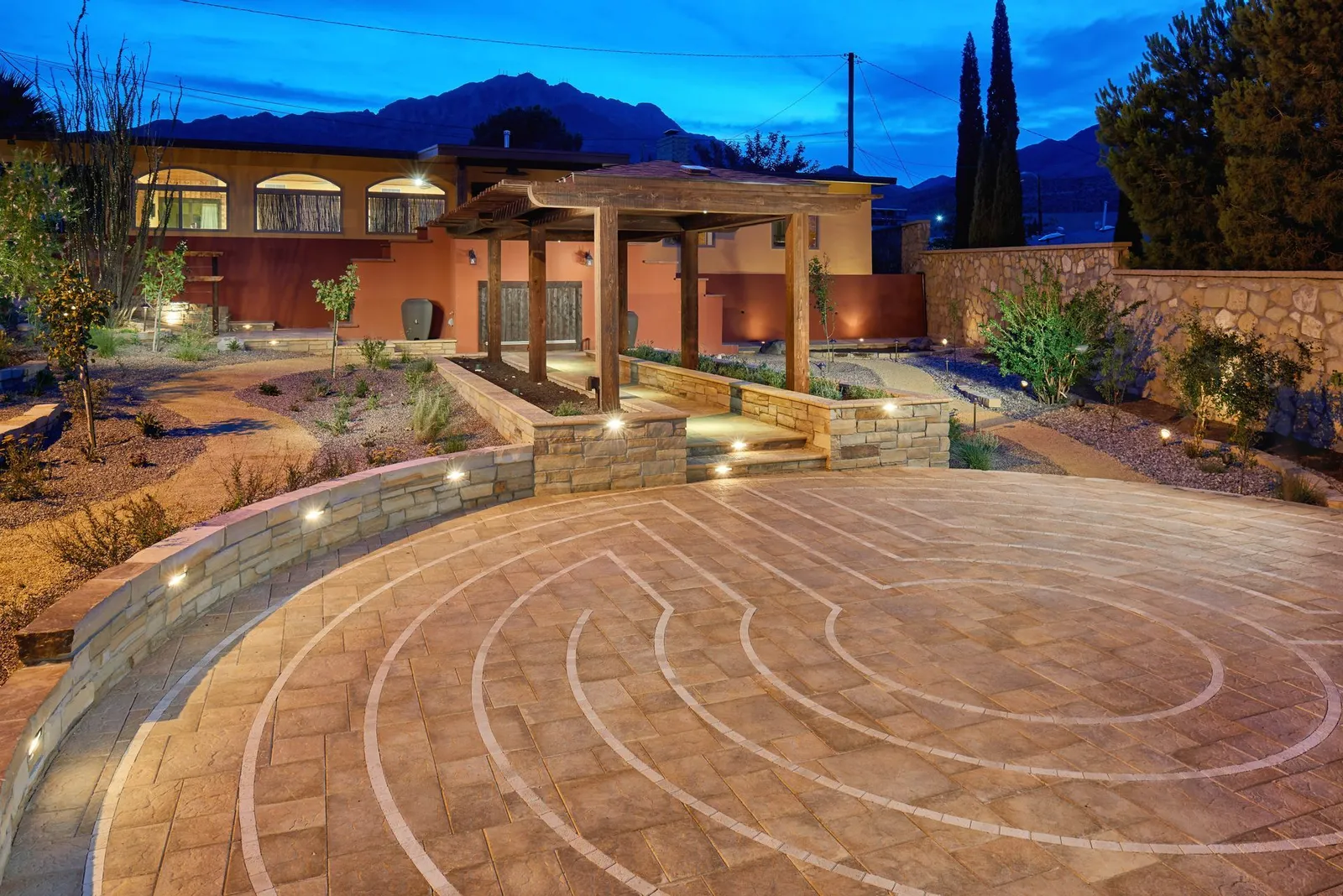
Sustainable landscape design considers how a garden is built, watered, used, and maintained. In a dry climate, those decisions belong together. At GO Designs, planting and irrigation are part of the early design conversation, alongside drainage and the places people will use.
Xeriscaping leaves room for a garden
Xeriscaping can combine dry-climate planting, gravel, natural stone, and boulders while retaining established trees or a purposeful lawn area. Shade, seasonal color, and a useful path through the planting still matter. A garden should give you somewhere you want to spend time.
Choose plants for the actual conditions: exposure, soil, available space, and watering needs. Drought-tolerant doesn't mean water-free. New plants need watering while their roots establish, and their ongoing needs vary with the plant, season, soil, and exposure.
Ask where materials come from
Stone, paving, and timber help establish the character of a garden. Discuss their source and suitability alongside the design and available budget. Ask about availability, installation, and upkeep before settling on a finish.
Look at what's already there before deciding what to add. Existing walls, trees, and useful paved areas can shape the new layout. They deserve a place in the initial site review.
Plan watering and drainage together
Drip irrigation provides targeted watering for planting beds and individual plants. Its layout should account for plant spacing and different watering needs, with access left for adjustments and repairs. The planting and irrigation plans need to agree.
Rainwater collection has its own practical questions. The available catchment area, storage, overflow, and access for maintenance all need consideration. Drainage does a different job: giving excess water a route through or away from the site. Roof runoff, paving, ground levels, and nearby structures affect that route.
Be realistic about ongoing care
Tell your designer how much time you want to spend looking after the garden. Lawn areas, ground cover, plant growth, and irrigation will affect the work involved. Even a low-maintenance landscape needs establishment watering and periodic care.
The choices should make sense for how you will live with the space. A planted area that's easy to reach for pruning or an irrigation system that can be adjusted without disturbing the paving is worth planning for.
Planting and paths at Stone Terrace Labyrinth Garden
At Stone Terrace Labyrinth Garden in Northeast El Paso, agave, mesquite, and red yucca grow among gravel and stone. Crushed-granite paths connect the planted terraces, and trees and shrubs receive drip irrigation. A circular labyrinth and timber pergolas give the garden places to walk and pause.
For your own property, begin with its sun, shade, and where water collects. Our xeriscaping, irrigation, and drainage services bring those site conditions into the design.